




Vaughan Healthy Yards
Vaughan Healthy Yards is your go‑to resource for sustainable gardening and yard care. Discover practical tips, expert advice and local resources to help you create an environmentally friendly greenspace that supports Vaughan’s natural environment.
Vaughan Healthy Yards is a program designed to empower you to create environmentally friendly, low-impact greenspaces using simple, practical and sustainable gardening practices.
Whether you’re new to gardening or looking to enhance an existing outdoor space, this hub offers expert advice, practical tips and local resources to help you grow a healthier greenspace – one that works with nature and benefits the community.
Kickstart your healthy yard journey
New to gardening? Start here.
Our “Ask a Gardener” series features City horticultural experts who answer common gardening questions and guide you through the basics of maintaining a healthy, thriving yard.
Topics include:
- Improving soil health
- Weed and general yard maintenance
- Shrub care and pruning
- Proper planting techniques
- Watering best practices
- Perennial plant care
These easy‑to‑follow videos are designed to build confidence and set you up for gardening success:
-
 Ask a Gardener: Improving soil health
 -
 Ask a Gardener: Maintenance and weeds
 -
 Ask a Gardener: Shrub maintenance
 -
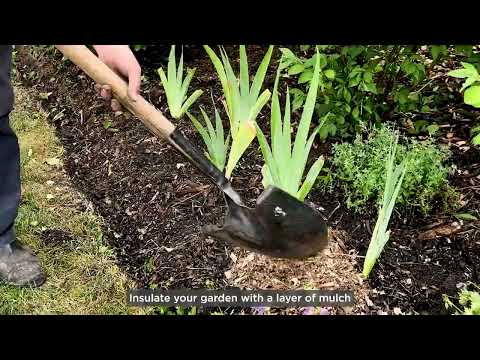 Ask a Gardener: Perennial plant care
 -
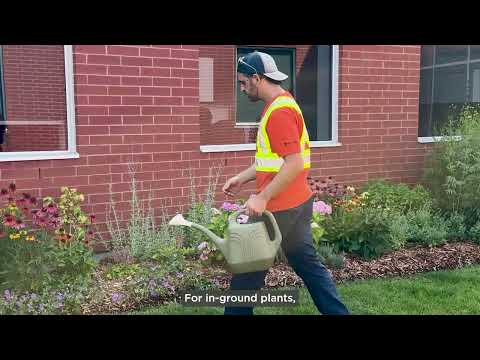 Ask a Gardener: Watering your plants
 -
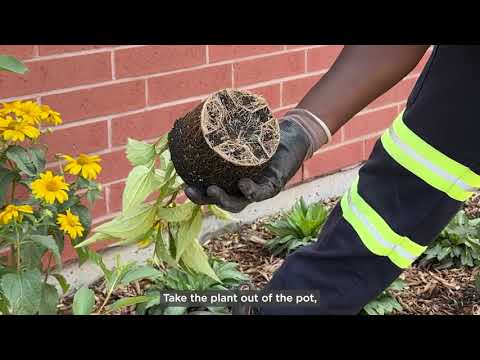 Ask a Gardener: Proper planting technique
Sustainable gardening resources
Build a yard that works with nature.
Explore simple, practical tools to support sustainable gardening and environmentally responsible yard care. Small changes can make a lasting impact on your greenspace and the environment.
Learn how to:
- plant native flowers, grasses, trees and shrubs.
- reduce water use and water waste.
- improve soil health naturally.
- minimize yard waste and support composting.
More resources coming soon!
Why it matters
Small actions can make a big difference. Sustainable practices help support pollinators, conserve water and build a greener, more resilient Vaughan.
Guides and Tips
-
Answer
The first step in gardening is determining the quality of your soil:
Poor soil is dense, dry and difficult to get a shovel through.
Good soil should be light and fluffy, darker in colour and easily allow water to drain. Worms and other life forms should also be visible.
Even if your soil doesn’t look ideal, there are some simple steps you can take to improve it:
Add some compost to help loosen the soil and allow plant roots to move more freely. The added nutrients will also help improve plant growth and support beneficial life forms, such as arthropods, fungi, insects, springtails and worms.
Add sand for proper water drainage or peat moss to help the soil hold water better.
-
Answer
For your plants to thrive, it all starts with how you plant them:
Pick the perfect spot. Does it need sun or shade? Reference the plant tag for each plant’s requirements.
Prepare the soil. Loosen it with a shovel or rake to improve drainage and make room for roots to grow.
Lay out plants before you dig. Avoid overcrowding and consider the plant’s sunlight and water needs.
Dig a hole approximately the size of the pot, and not too deep.
Take the plant out of the pot, gently loosen the roots and place it in the hole so it sits at or just above soil level. Fill the hole to anchor the plant.
Water daily for the first week to help new plants establish roots. Keep the soil moist, not soggy. After the first week, check the plant tag for watering needs.
Keep an eye on your plants for signs of stress, pests and diseases.
-
Answer
While tending to your garden, it is important to water properly for healthy growth – here’s how:
Determine if your plant needs water. If your plant is wilting or has dry soil, it likely needs water! You can check the soil’s moisture by sticking your finger in one to two inches. If it’s dry, you’re safe to water. If there is moisture, wait to avoid overwatering.
For in-ground plants, water deeply and infrequently – about twice a week. Water early or late in the day to avoid losing moisture to evaporation. Don’t forget – rainy days count toward your watering.
For potted plants, add water slowly until it seeps out of the drainage hole and repeat. Don’t water again until the soil is dry. Avoid wetting leaves to prevent burning and diseases in some plant species.
-
Answer
Help your garden look its best by following these simple steps:
Remove weeds to ensure your plants receive enough water and nutrients. Remove as much of the weed’s roots as possible to prevent regrowth and overcrowding.
Check for dead, diseased or dangerous plants, and remove deadheads from spent flowers.
Add a layer of woodchips or create a garden edge to help maintain moisture and prevent encroachment by weeds and grass.
Help your plants stay healthy by fertilizing as recommended for each plant type and to avoid over-fertilizing.
-
Answer
Perennials survive the winter and come back yearly, making them great seasonal fixtures for your garden. Here’s how to take care of them year round:
Promote new blooms by removing dead flowers. This can help your plant conserve energy and focus on producing fresh growth.
Occasionally divide perennials into smaller sections to keep them healthy and stimulate new growth.
Perennials can survive the winter with these simple steps:
Insulate your garden with a layer of mulch to protect plants from harsh elements.
Mark your perennials to avoid any accidental damage in the off-season.
For perennials in containers, move them to a cold but sheltered spot.
Avoid fertilizing too close to winter.
-
Answer
Shrubs require special care to maintain their form and function in your garden. Here’s what you need to know to take care of them:
Shrubs need to be watered deeper than annuals and other perennials due to their large root systems. Luckily, they need fewer waterings per week.
Add mulch to the base of your shrubs to help retain moisture and suppress weeds.
Shrubs only need light pruning throughout the growing season. Heavier pruning should be done in early spring or late fall to thin out crowded areas and cut back overgrowth.
Protect the branches of your shrubs during the winter by wrapping them in burlap. Heavy snow can damage branches, and wind can dry out branches.