




Local Food and Agriculture

The Agriculture System is a Canada-wide system that creates a vibrant and thriving agri-food sector. The system is made up of an agriculture land base and an agri-food network. All levels of government have roles, and Vaughan continues to actively contribute to sustaining local food and agriculture. 

The agri-food sector in Ontario encompasses a range of components from primary agriculture to food processing and retail. The agri-food network includes agricultural operations, infrastructure, services and assets important to the viability of the agri-food sector.

Media
Image
Women watering plants

Vaughan Council has approved the York Region Food Charter and the Food Charter Actions for the City of Vaughan

Supporting local food and urban agriculture helps to create vibrant, resilient communities.

The City of Vaughan is home to many agri-food businesses that produce and manufacture local urban food. We also strive to support innovative agri-food initiatives such as vertical farming, community gardening, rooftop vegetation and equity-based planning. Below are some high-level statistics for the City of Vaughan.

Media
Image
Infographic showing statistics related to agriculture

Meet the Farm Fresh Farms and Markets in Vaughan

Image
fresh vegetables in baskets

Sandy's Farm

4283 King Vaughan Rd, Woodbridge, ON L3L 0B4


Sandy’s Farm is a family-run farmers market and garden centre first opened its doors in 1978 and ever since the family has been dedicated to providing the highest quality, locally grown produce at the best possible price to the public. 


Visit sandysfarm.ca for more information on hours of operation.
Image
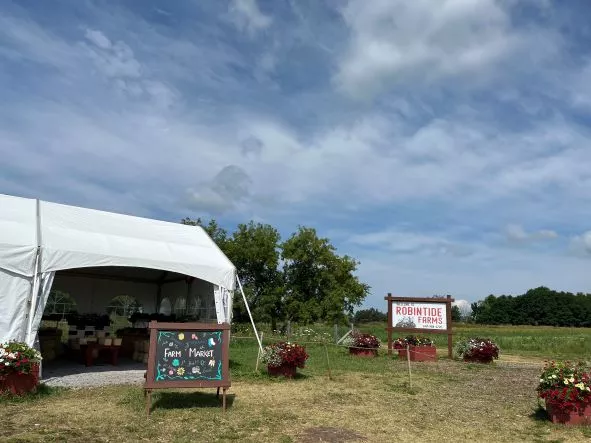
Robintide Farms

Robintide Farms

2720 King Vaughan Rd, King City, ON L7B 1E4


Robintide Farms has been a family farm in Vaughan for more than 50 years, with farm activities including pick-your-own and picked-for-you strawberries, flowers and pumpkins, beef cattle, mixed crops, breeding, raising and training quarter horses, and raising milk goats and Boer goats.  


Visit robintidefarms.com for more information on hours of operation.
 

Image
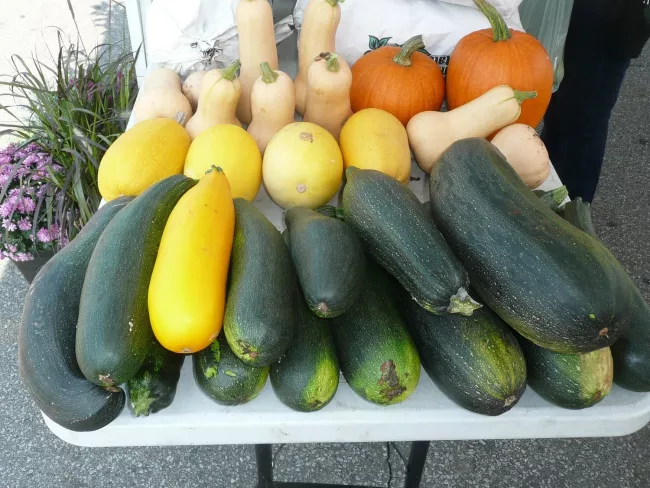
An assortment of zucchini and squash.

Woodbridge Village Farmers Market

9201 Islington Ave., Woodbridge, ON L4L 1A7


Woodbridge Village Farmers Market is a non-profit, volunteer run market affiliated with the Woodbridge Agricultural Society. 


Visit woodbridgefarmersmarket.com for more information on hours and operations.

Learn More

Answer

So, what is Vaughan doing to support the agri-food network? The City is committed to support the agri-food network by collaborating with local community groups and experts to deliver the following:

  1. Stewardship and transformation: create connections with local urban agriculture organizations to provide residents with opportunities to learn and engage, and creating a network of community gardens which allow residents of all ages and all abilities to grow fresh food.
  2. Development: promote urban agriculture through the Sustainability Metrics Program.
  3. Education and promotion: support local food initiatives through education at events and on the City’s website and provide information on the health and environmental benefits of choosing local food options. Farms with specialty activations and farmer’s markets, should they choose, are also promoted by Tourism Vaughan.
  4. Advocacy: participate as a member of the York Regional Food Council. The York Region Food Council works to build networks across the food system, conduct research on the York Region food system, educate through public events, advocate for policy changes that foster a healthy food system, and support the creation and implementation of food system initiatives. 


York Region Community Food Asset Map

This interactive map is designed to highlight the food-related resources and services available across York Region. Even though this map provides an overview of the food resources in the region, it’s important to note that it is a snapshot in time and not kept up to date with service hours or program changes. Additionally, not all services mapped are open to the public. For those seeking food supports like food banks or community meals, please visit 211 Ontario or call/text 2-1-1. 

Answer

Food is vital – it nourishes us, supports active lifestyles and brings people together – and when we buy local food, we help to create vibrant, resilient communities.

Local is better! The benefits include:

  • Support for local economic growth by supporting local farmers and businesses.
  • More nutritious food due to produce being fresher at consumption (less travel).
  • Social responsibility through the connection with local farms, green houses, and community organizations to ensure fair working conditions, including migrant workers.
  • Reduction of greenhouse gas (GHG) emissions due to reduced transportation distances

Tips for buying local:

Answer

Provincial Planning Statement 

Ontario’s Provincial Planning Statement, 2024, is a province-wide land use planning policy framework that sets out policies to guide land use development in the Province of Ontario. The plan helps municipalities fosters a long-term viability of rural areas and protects agricultural lands, the environment, public health and safety. 

Greenbelt Area

Ontario’s Greenbelt lands encompass protected natural heritage areas and productive agricultural lands (farmland). The Greenbelt Area covers more than 2 million acres of land – bigger than the Province of Prince Edward Island!

The Greenbelt is worth protecting! Explore the Greenbelt to find fresh and local food! It provides:

  • Habitat to 78 Species at Risk including wildlife, flora and fauna,
  • Clean drinking water by protecting 108,629 hectares of small lakes, wetlands, rivers and streams that feed into the Great Lakes,
  • Employment and income to 5,500 farms,
  • 10,000 km of trails for everyone to enjoy, and
  • Forests that create cleaner air as it stores enough carbon to offset the emissions from 27 million cars in 1 year.


Oak Ridges Moraine Conservation Plan Area

The Oak Ridges Moraine Conservation Plan ("The Plan") covers 190,203 hectares of natural heritage areas in Ontario. The Plan is known for abundant aquifers that provide clean, cool water to many streams. The Plan protects clean and abundant water resources; healthy and diverse plant and animal habitat; and productive agricultural areas.